


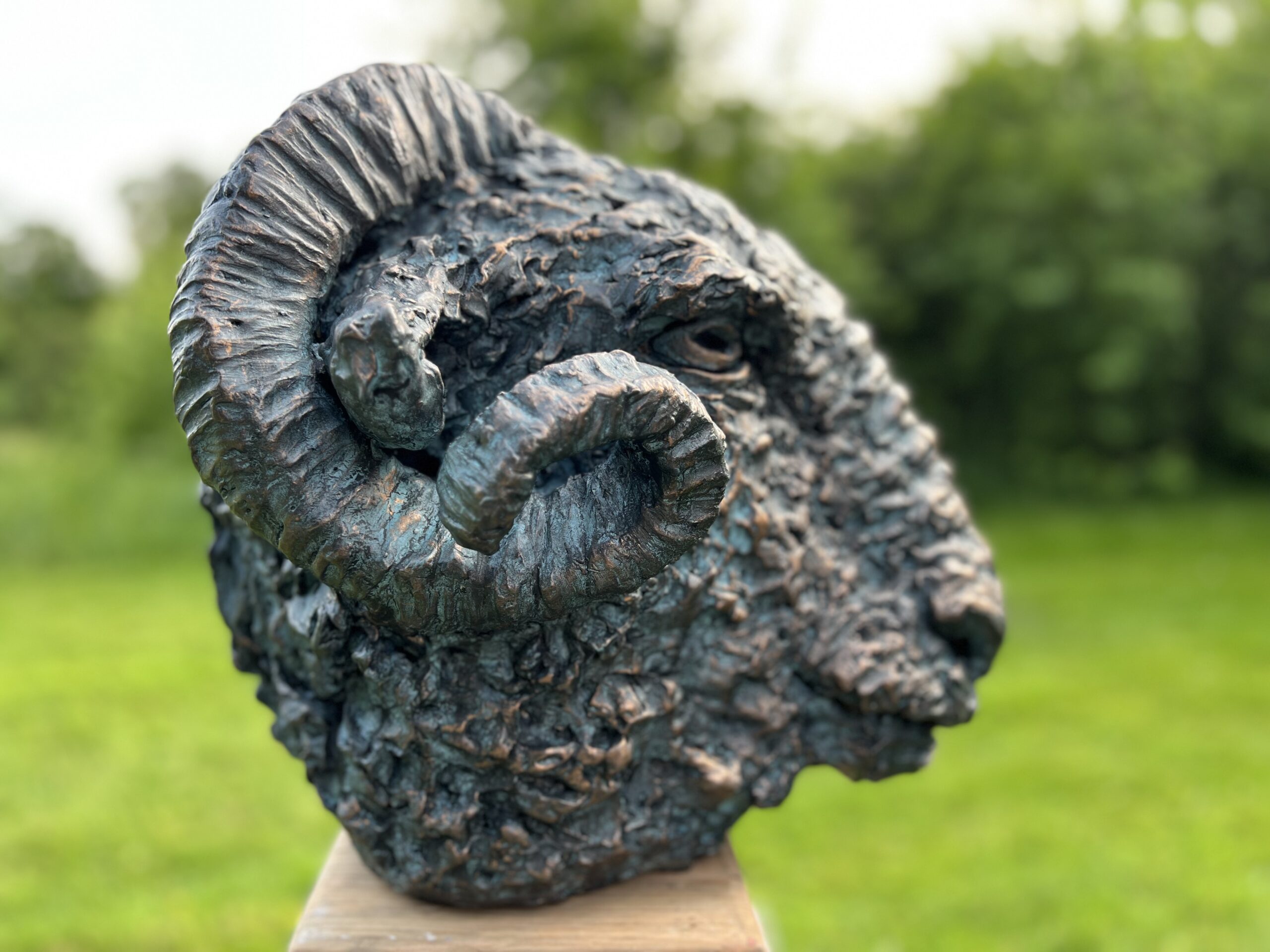
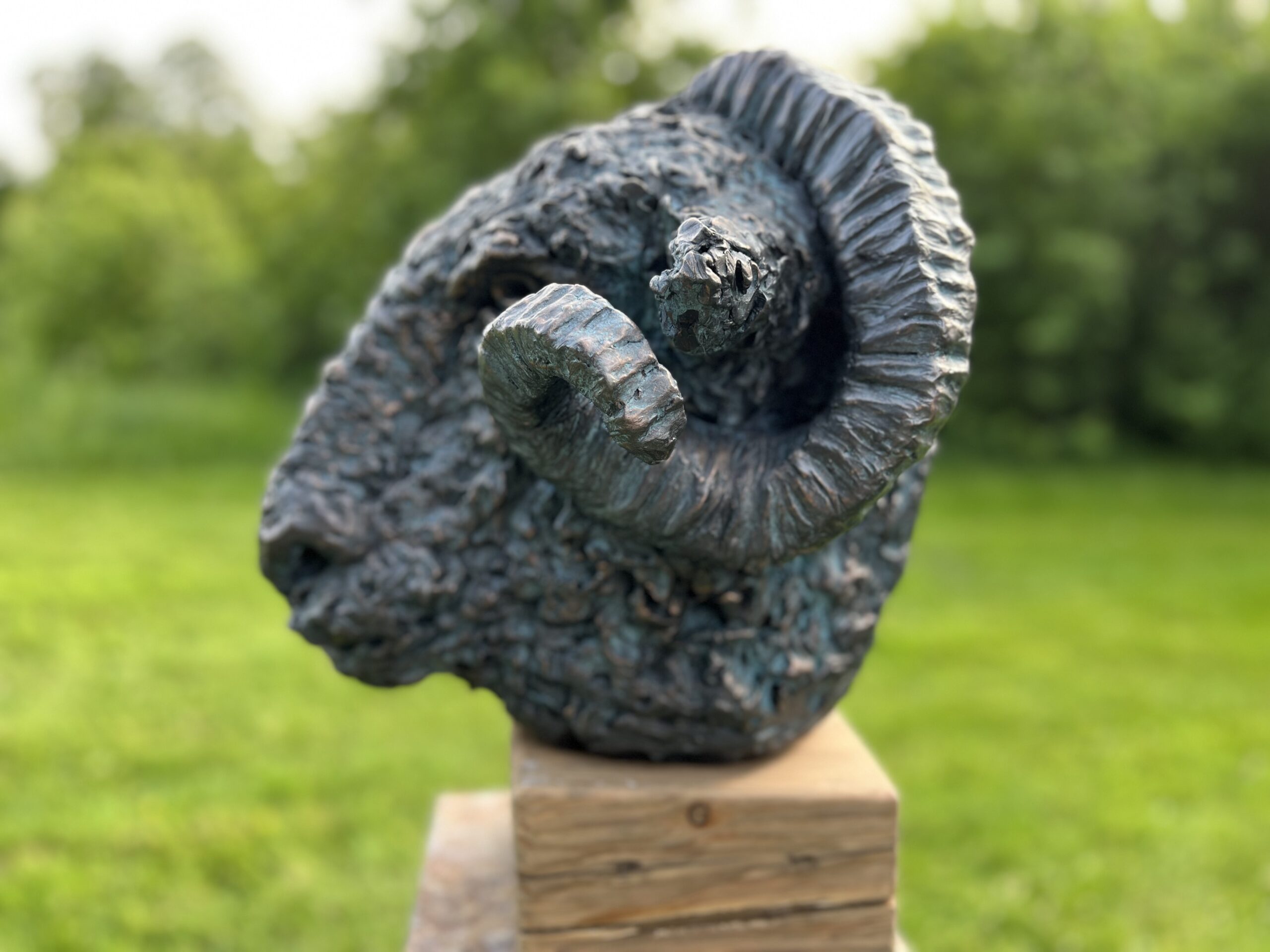
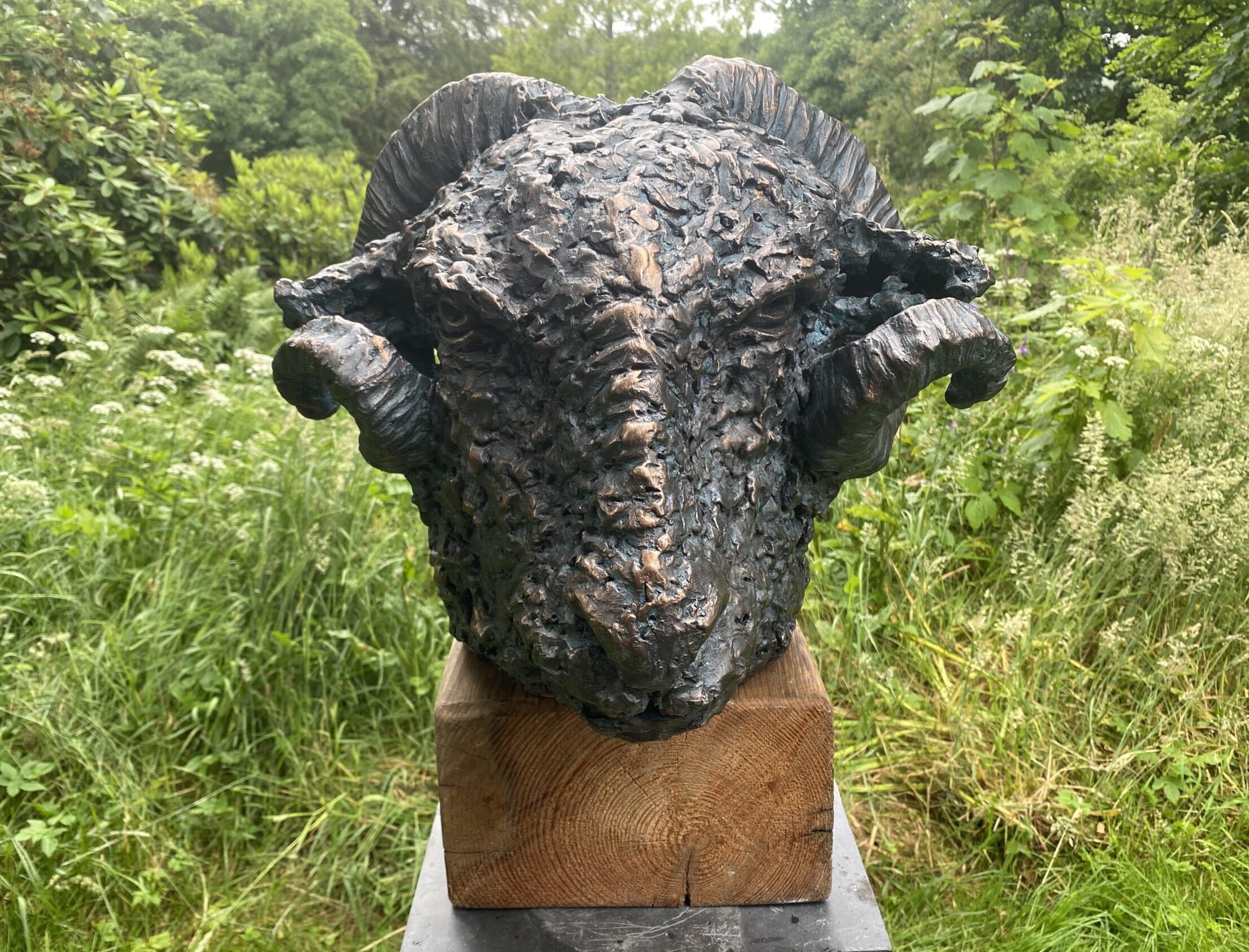
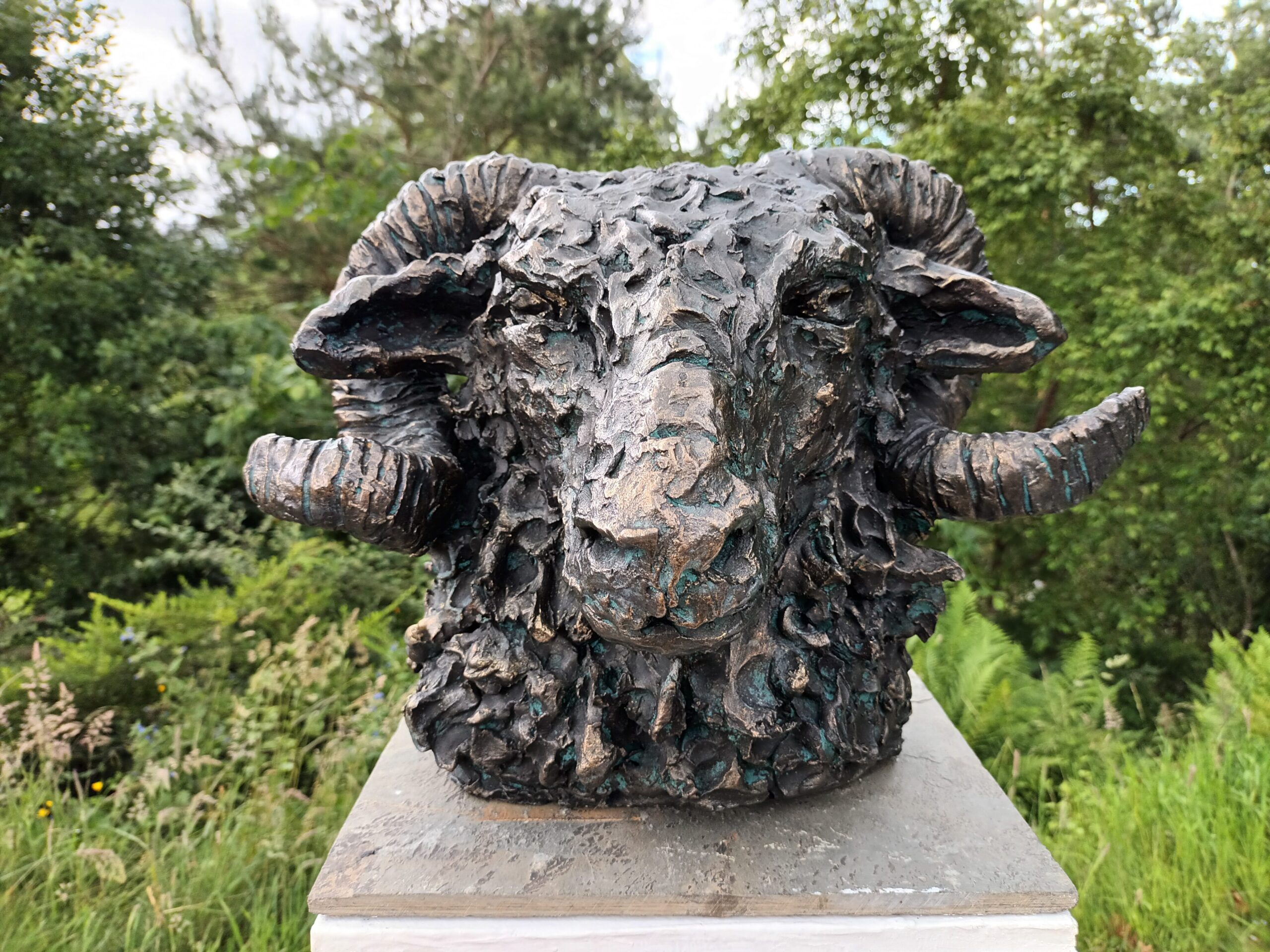
About This Project
Rams & Sheep
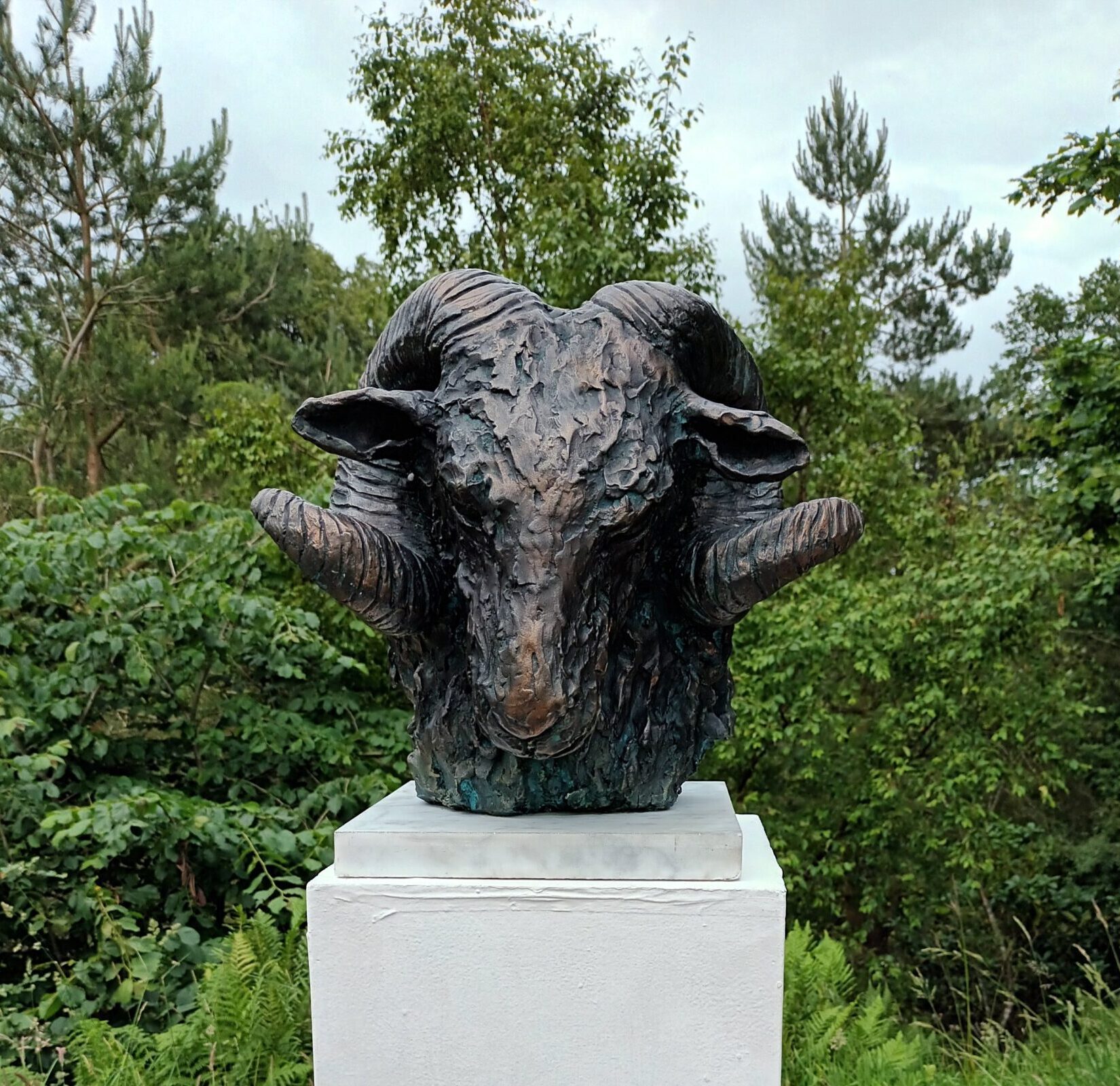
The Ram has played an important role in the religion and mythology in many different traditions and cultures. Ancient civilizations were polytheistic and believed in many gods.
The Ram was and is very much a worshipped animal, where cultures believe in gods and goddesses who can shape shift in various forms.
It first appears as symbol in Ancient Egypt, as god Amon, who was depicted with a ram’s head.
The Egyptians valued sheep and also worshipped Rams with headed gods. Their most important God, Khnum, was said to have the head of a ram. It was believed Khnum had created in the Nile, and the whole of the universe from a single egg.
Rams heads have also been connected to Neolithic shrines in Turkey.
The ram’s horns are also the symbol of the zodiac sign of Aries and even the Greek name of this sign indicates the correlation between the zodiac sign and the ram.
The Greeks and Romans used sheep in their rituals and often sacrificed these animals as a gift to their gods.
In Celtic symbolism, it represents fertility and rebirth. Sheep animals spirits in Shamanism and Celtic folklore has a vital role, in both spiritually and society culltural backgrounds.
Give respect and understanding to the Ram and all its histories.
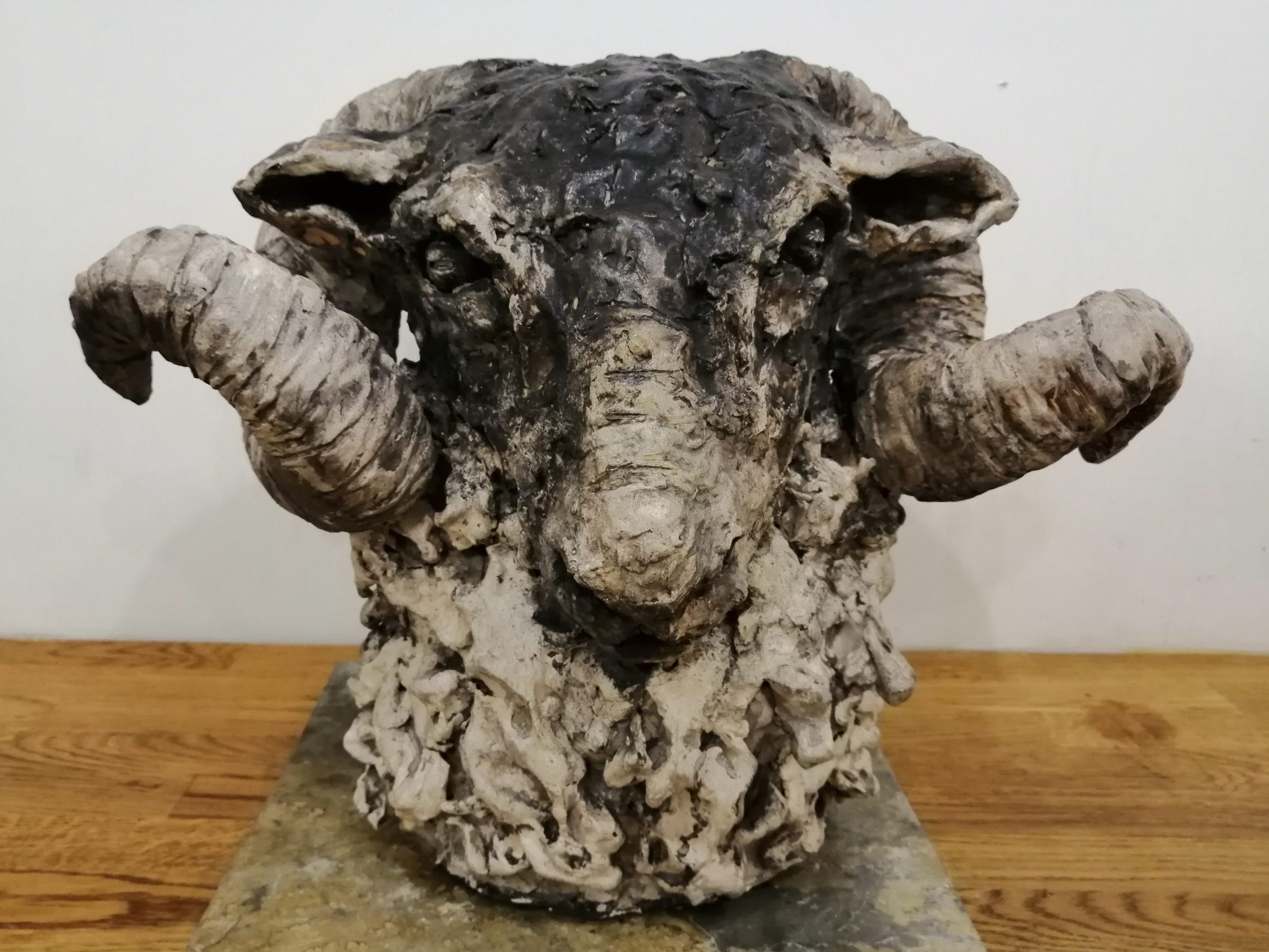
I like to create my sculptures initially using clay, where I build many of them independently without moulds or wire structures, unless they are big sculptures which require to be supported with an armature, using various construction methods or indeed sculptures that are in balance and are created in a physically challenged pose.
I love to use my creative intuition and develop my work through my own essence. Ultimately bringing that thought, idea or emotion into a physical existence.
I find clay such a tactile and pliable material where it helps me to be fluid and creatively evolve. I am always intrigued to prise out the spirit of what I have in front of me, bringing it to life.
All of my ceramic works are individually created in clay, then fired in a kiln to be created into a ceramic sculpture and glazed accordingly.
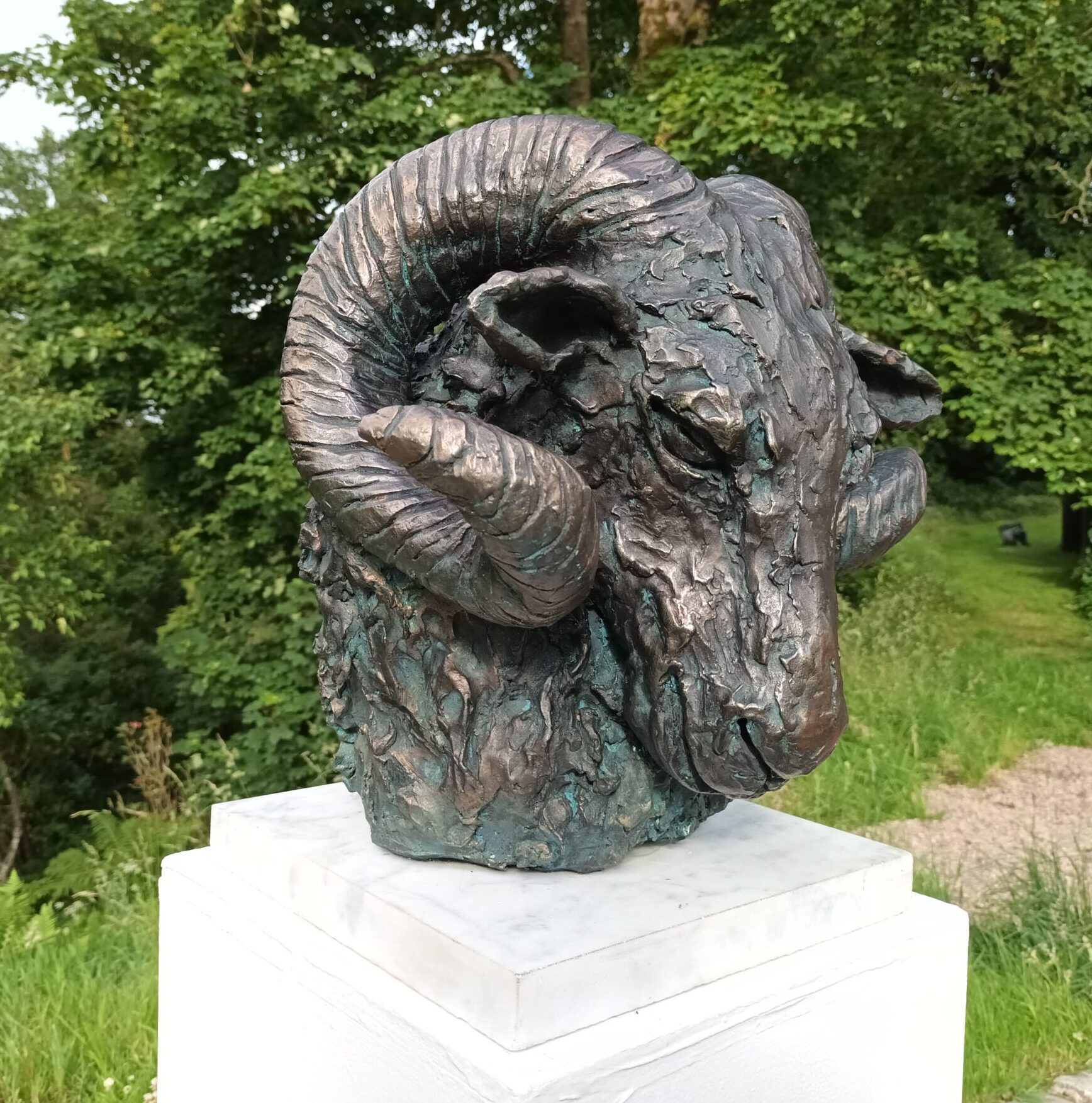
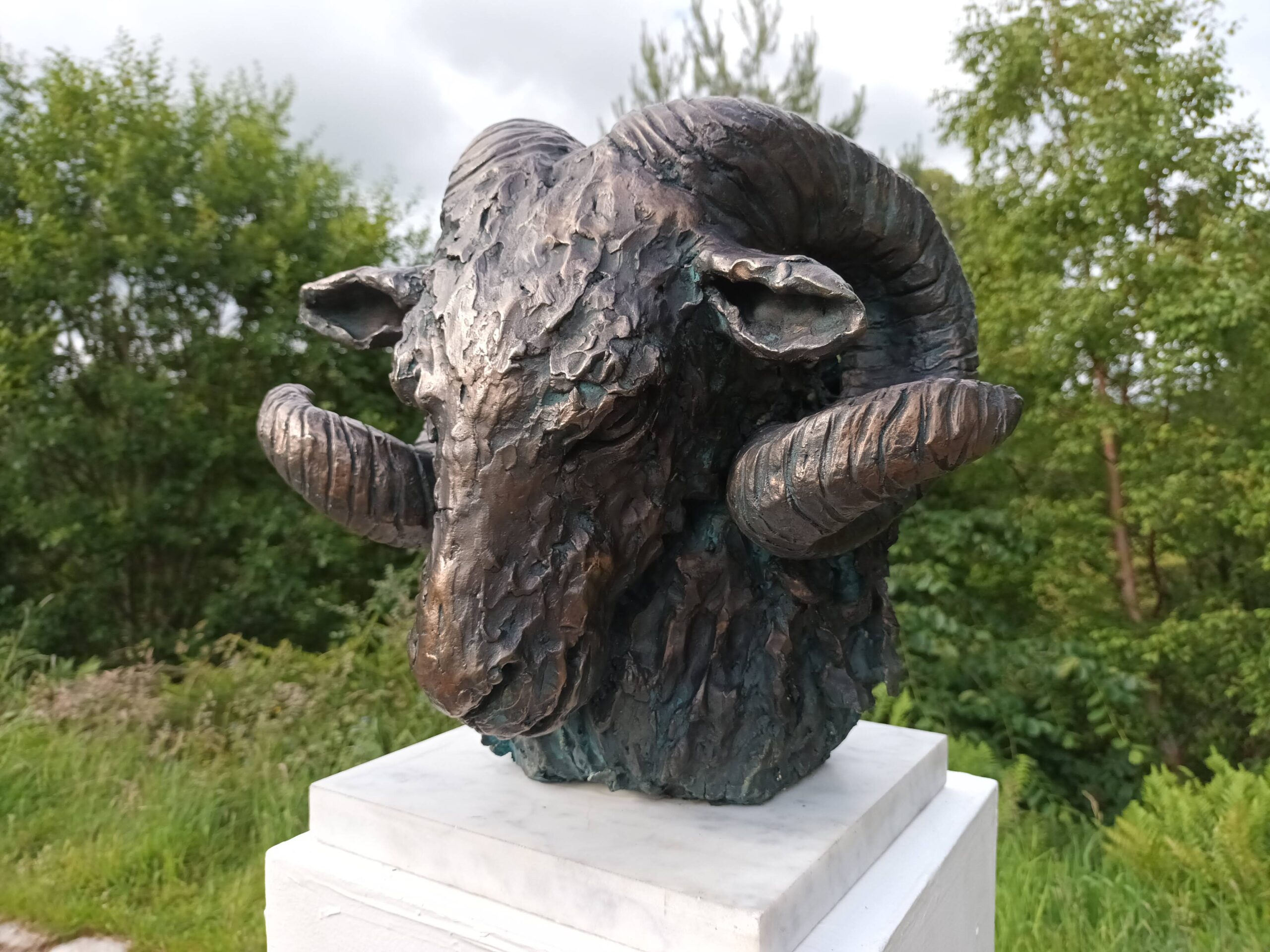
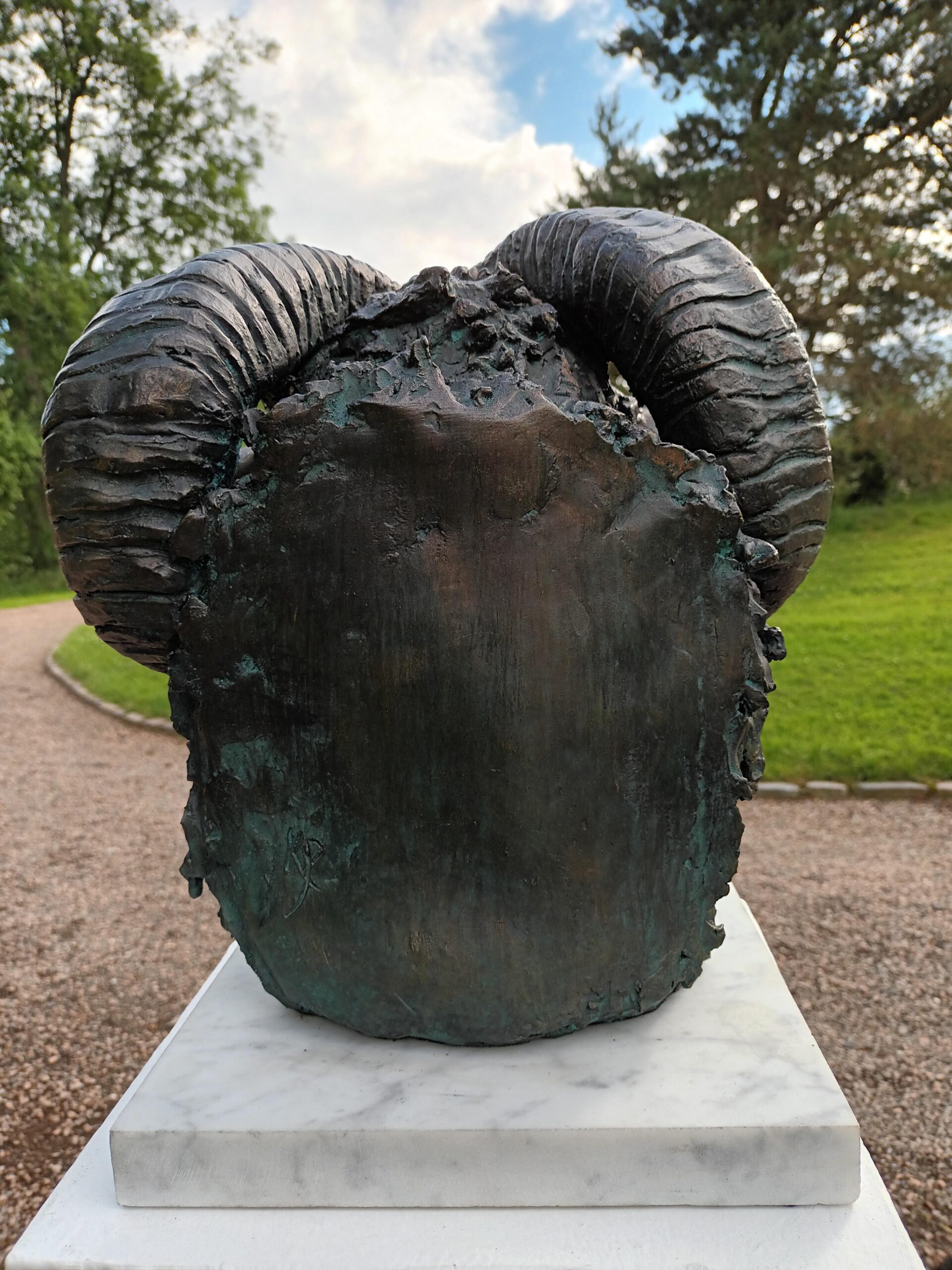
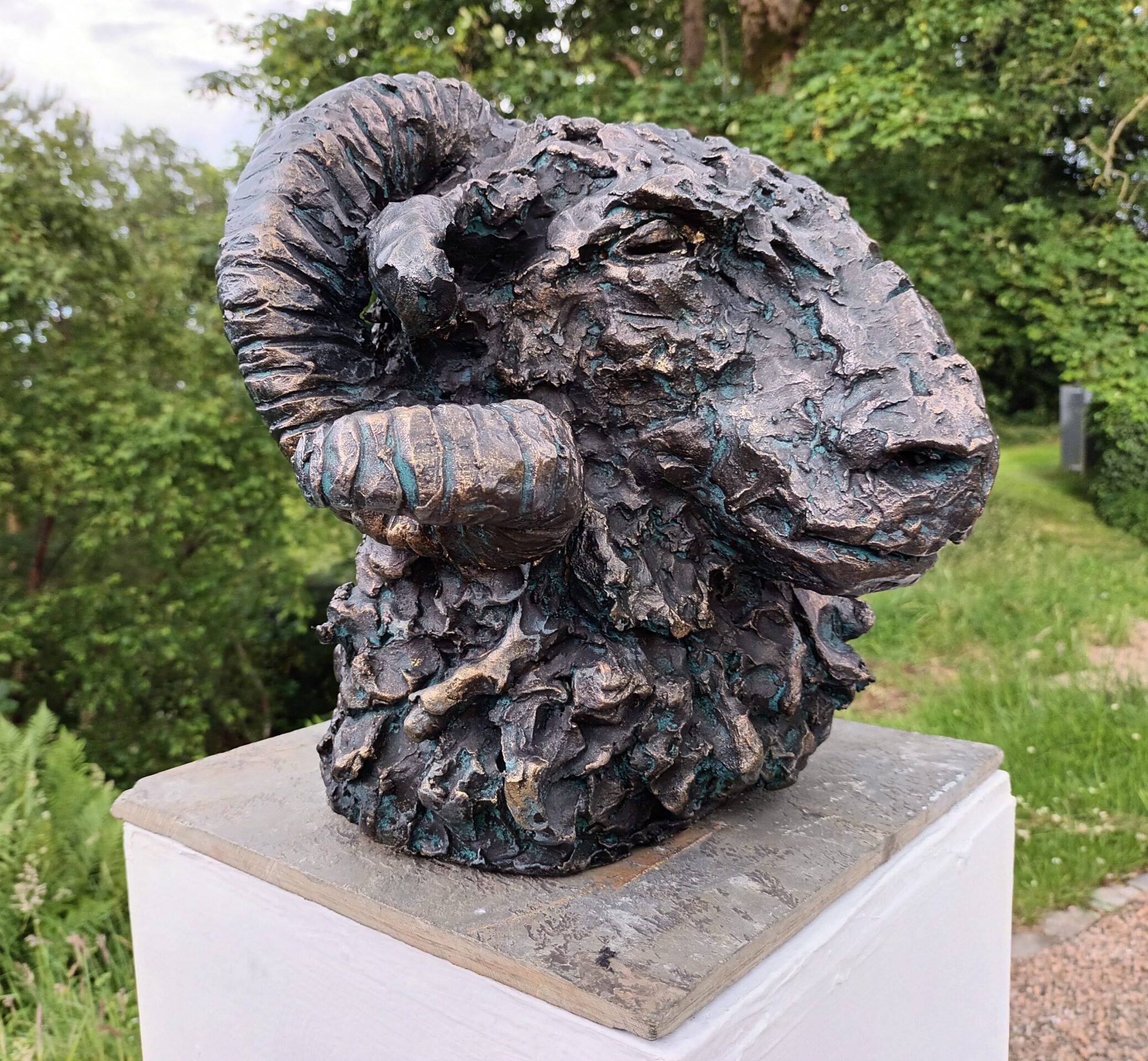
Other great options are: using Bronze Metal, which is using the lost wax method cast at a Foundry or the Cold Cast Bronze method cast in epoxy and bronze powder. A mould is created in both of these labour intensive methods and used as part of the bronzing processes. Various patinas are applied accordingly to attain the desired finished result.
Foundry Bronze sculpture lasts indefinitely and is considered an investment, considered by many to be the premier and most authentic sculptural material. It is much harder to repair than cold cast bronze if it is damaged, but damage is much less likely due to its strength and durability.
Foundry bronze is the traditional method of bronze casting, using the lost wax process – used by sculptors in ancient Greece. The bronze is melted at extremely high temperatures and then poured into a ceramic mould.
Cold Cast Bronze is made of real bronze powder, mixed with various epoxy or another resins and poured into a rubber reusable mould. Bronze powder is also additionally applied to the surface which is coloured or patinated. Casting a cold cast bronze sculpture is faster and less expensive than casting bronze metal. It can have the weight of a Foundry Bronze sculpture or indeed lighter, depending on the size or individual preference.
It is very robust and can last outside in the garden years. Some last between 25 to 50 years. While some cracking and patina discolouration may occur over time, is easily repaired.
Displayed indoors: treated with care can last indefinitely. It is more fragile than foundry bronze and knocking or dropping can break or crack vulnerable parts of the sculpture. However, it is easily repaired and is a fantastic bronze substitute. It’s generally very durable and much more affordable.
If you are interested in having a bespoke sculpture created using either of these methods, please get in touch and we can discuss in further details the various methods and prices available.
Rams Bust Prices:
Ceramic £2500- £4000
Cold Cast Bronze £6,500 – £7000
Foundry Bronze £7000- £9000
Prices will vary depending on size. If I were to do a full size the price would be considerably higher.
If there are any limited editions agreed from a commission, the original price could be lowered and further editions maybe also be at a lower cost. I like to set a limited addition of 12 sculptures, which can be sold independently to customers or in a few selected Art Galleries.
Commissions usually take around 6 – 12 months to complete.
I ask for a 50% deposit, to secure a commission for the various methods and processes required.
During the process of a commission being created, I can keep you updated with photographs and videos. If you wish me to commission a particular pet or animal, I can meet with you and your beloved pet at your home or elsewhere. If you wish to have a commission created for you garden or estate, I can also pay a visit to discuss the best option and impact for its size, pose and location.
If you are interested in having a bespoke sculpture created in the various Bronze options or indeed a ceramic, please get in touch where we can discuss in further details the various methods and prices available. There may also be limited editions available to purchase.
Contact to Buy here